Okayama gibier fair procurement
Okayama Prefecture’s June 19 call for proposals is not a glamorous food story. It is a useful look at the work behind a serious gibier fair: restaurants, permitted suppliers, web infrastructure, advertising, shop materials, and consumer feedback.
By Matt Ketchum, founder and editor
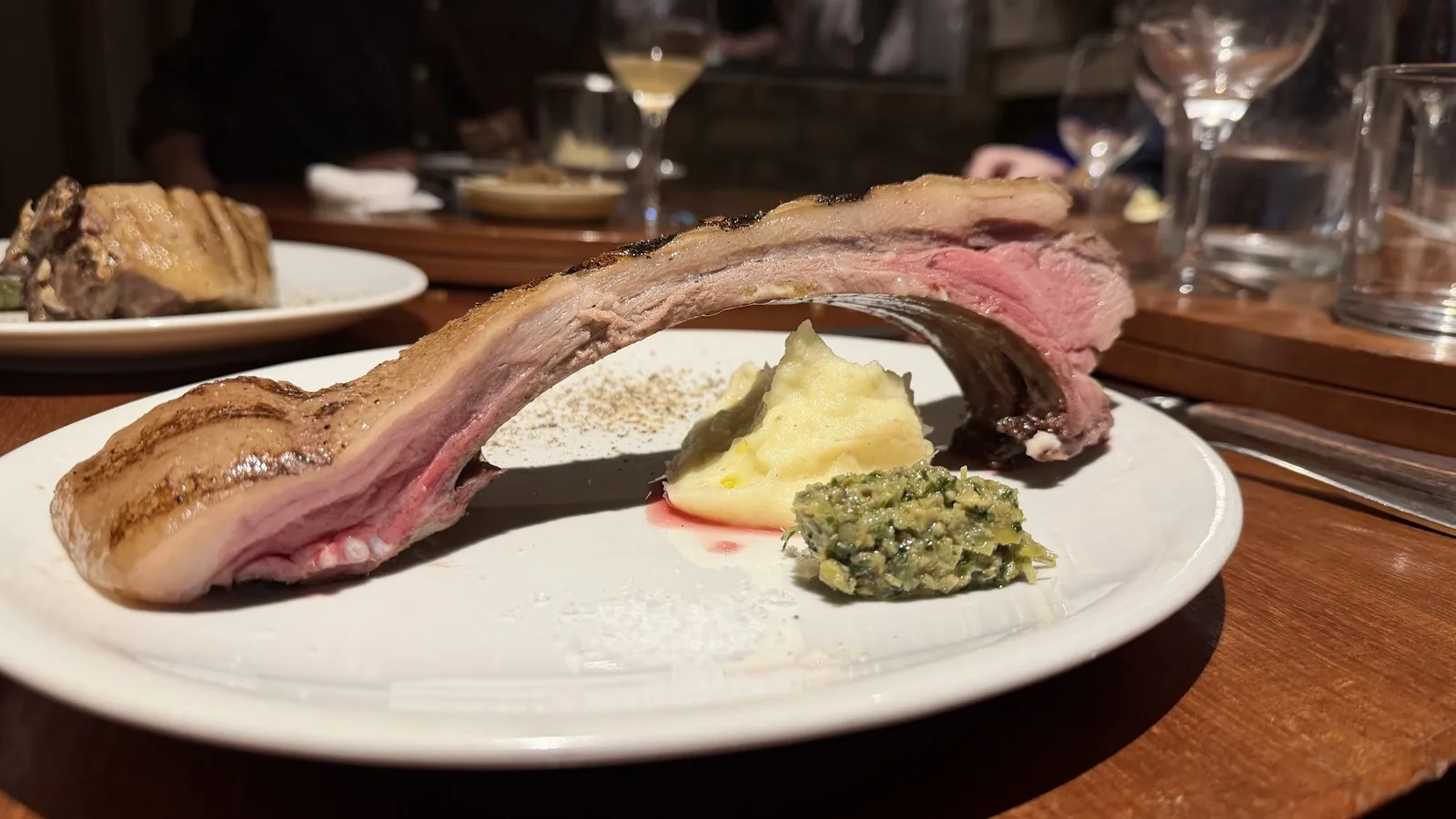
Image credit: Plated bone-in meat with herbs by wildfood.jp, Original site artwork
What does Okayama’s specification reveal?
Okayama Prefecture updated its procurement page on June 19 for the FY2026 Okayama Gibier Fair operation. The page itself is an administrative notice, but the attached specification is more useful than most promotional copy. The planned fair, named “Okayama Gibier Fair 2026: eat gibier at shops,” is designed to run for roughly three to four months from November 2026 and to involve about 20 to 30 restaurants.
That matters because the specification defines gibier as a system, not a mood. Participating restaurants are expected to serve dishes using Okayama gibier, and the conditions point buyers back to meat sourced from facilities with meat-processing, meat-sales, or other necessary permissions. The fair is built around restaurants, processing routes, a public guide, a special website, advertising, shop materials, Instagram updates, prize fulfillment, and consumer survey data. None of that is decoration. All of it is infrastructure.
What is Okayama paying for?
The contract ceiling is 2,857,294 yen including tax, and the work runs through March 23, 2027. For that money, the contractor is expected to recruit and coordinate participating shops, produce a special website under a prefectural domain where possible, operate web advertising, update the prefectural Okayama gibier Instagram at least once a week, print 18,000 A4 flyers and 100 B3 posters, prepare shop materials, handle a giveaway of prefectural products, and report participation and demographic data after the project.
This is the unglamorous middle layer that decides whether wild meat becomes usable demand. A captured deer or boar does not become a restaurant product just because someone wants a local story. It needs a lawful capture route, acceptance by an appropriate facility, inspection-minded handling, chilling or freezing, records, a buyer who knows what was supplied, and a customer-facing explanation that does not overpromise. A fair can test those connections if it is honest about them.
What can other restaurants take from it?
Restaurants outside Okayama can use the same checklist. Which facility handled the meat? What permissions does the supplier have? Is the product listed through a local guide or public-facing channel? What species, cut, processing date, storage state, and cooking guidance are available? Can the supplier repeat the delivery, or is this one seasonal animal?
For municipalities, the same point is practical. Regulated wild meat infrastructure can be one useful part of wildlife management after lawful capture: it can reduce waste, build local demand, and make the cost of handling animals more visible. But it only works when processing capacity, cold chain, licensing, restaurant communication, and buyer transparency are treated as the main work, not as decoration around a food festival.
Go deeper
- MAFF’s June gibier bottleneck: Gibier infrastructure note
- Wakayama’s winter gibier fair: Gibier infrastructure note
- What gibier means in Japan: Gibier guide
Sources and further reading
- Call for proposals for FY2026 Okayama Gibier Fair operation: Okayama Prefecture (JA)
- FY2026 Okayama Gibier Fair operation specifications PDF: Okayama Prefecture (JA)
- Illustration: plated bone-in meat with herbs: wildfood.jp
Related video / media
- Illustration: plated bone-in meat with herbs: wildfood.jp
Need a sourcing check?
Send the specific context behind your decision. A free inquiry checks fit; the paid sourcing assessment works through one concrete question.