What is gibier in Japan? A practical guide for buyers
Gibier is not just wild meat with a nicer name. For restaurants and serious home buyers in Japan, the useful question is whether the animal moved through legal capture, hygienic processing, cold chain, and clear cooking guidance.
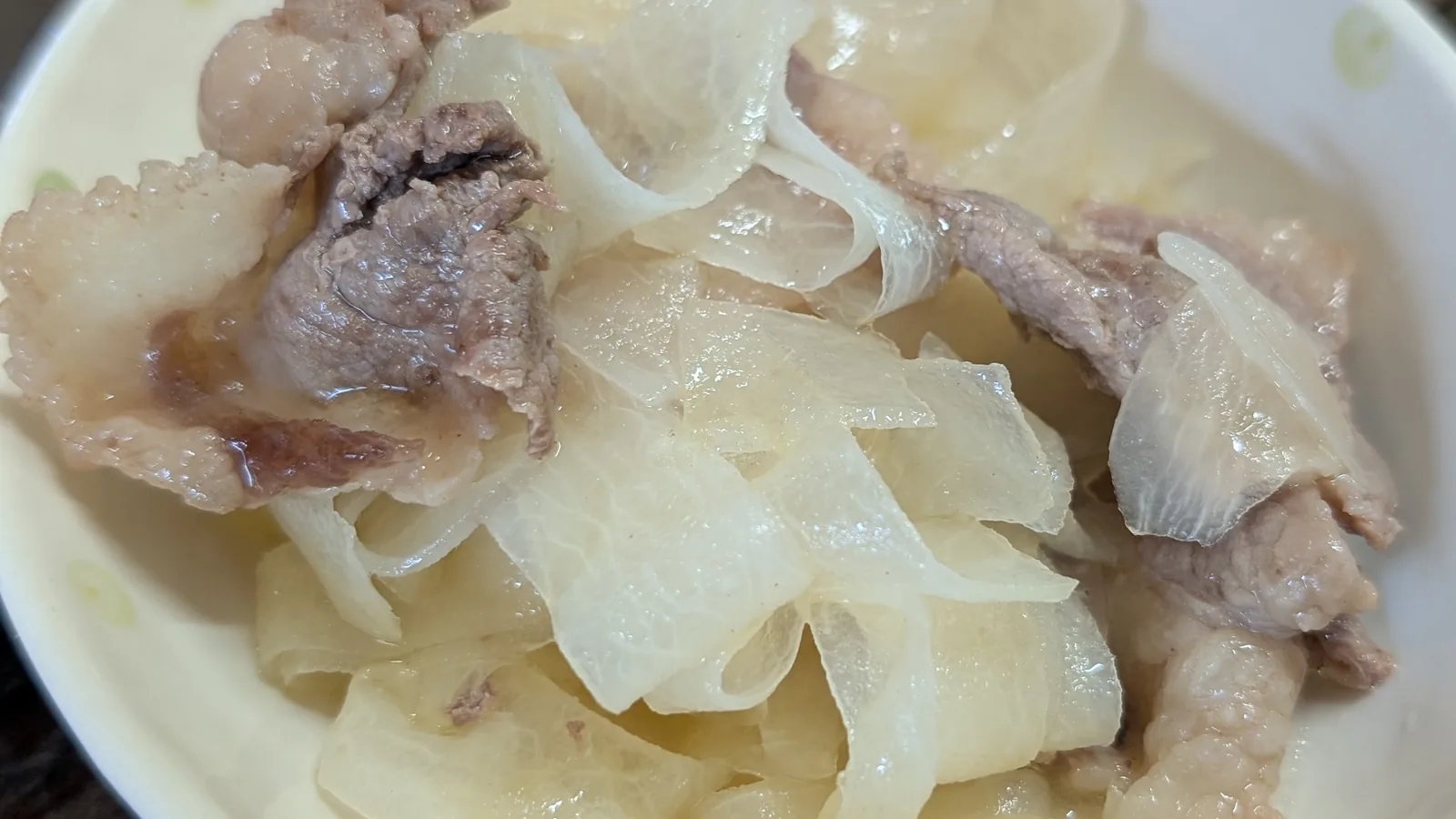
Image credit: イノシシ meat at Kitchen Misaki, in Ishigakijima by Syced, CC0
Short answer
Gibier in Japan means meat from legally captured wild animals such as deer and boar, prepared for food through a suitable route.
For a restaurant, the useful question is whether capture, processing, storage, labeling, and cooking guidance are clear enough for service.
If the route is unclear, the product is not ready for a serious menu, even when the story sounds local.
The word matters less than the route
In Japan, gibier usually means meat from wild animals such as deer and boar that have been captured and processed for food. The word can sound polished, but the food only becomes useful when the route is clear: licensed capture, fast handling, hygienic processing, chilling or freezing, labeling, and a buyer who knows what to ask.
That is why wildfood.jp treats gibier as infrastructure, not just cuisine. A good story is not only that an animal was captured. It is that the animal was suitable for food use, moved through an appropriate facility, and reached the table with enough information to cook it responsibly.
What buyers should check
For restaurants, the basic questions are practical: species, cut, processing date, frozen or chilled state, lot information, facility handling, recommended cooking, and whether the supply is occasional or repeatable. For home buyers, the same questions matter in simpler language.
Not every captured animal should become food. Gibier works only when safety and restraint come first. The best suppliers can explain what they accept, what they reject, how quickly meat is cooled, and how the product should be cooked.
Go deeper
- Venison in Japan: flavor, sourcing, and practical use: Ingredient guide
- Wild boar in Japan: flavor, fat, and buying questions: Ingredient guide
- Kuma Village’s new gibier plant is the boring infrastructure Japan needs: Gibier infrastructure
Sources and further reading
- MAFF gibier utilization promotion: Ministry of Agriculture, Forestry and Fisheries (JA)
- MHLW gibier hygiene management guidance: Ministry of Health, Labour and Welfare (JA)
Need this checked for your menu, region, facility, or product?
Send the specific context behind your decision. A free inquiry checks fit; the paid sourcing assessment works through one concrete question.