Why Japanese sea salt matters for wild food
Salt is not background. Texture, grain size, moisture, bitterness, sweetness, and when the salt touches the food can change grilled meat, mushrooms, rice, vegetables, fish, and tea pairings.
Short answer
Japanese sea salt matters because salt changes texture, moisture, and how aroma is perceived, especially with lean meat, mushrooms, rice, vegetables, fish, and tea.
Grain size, moisture, bitterness, sweetness, mineral impression, and timing can all change the result.
The practical choice is where and when the salt belongs in the cooking, not the regional name or price alone.
Salt changes the ingredient
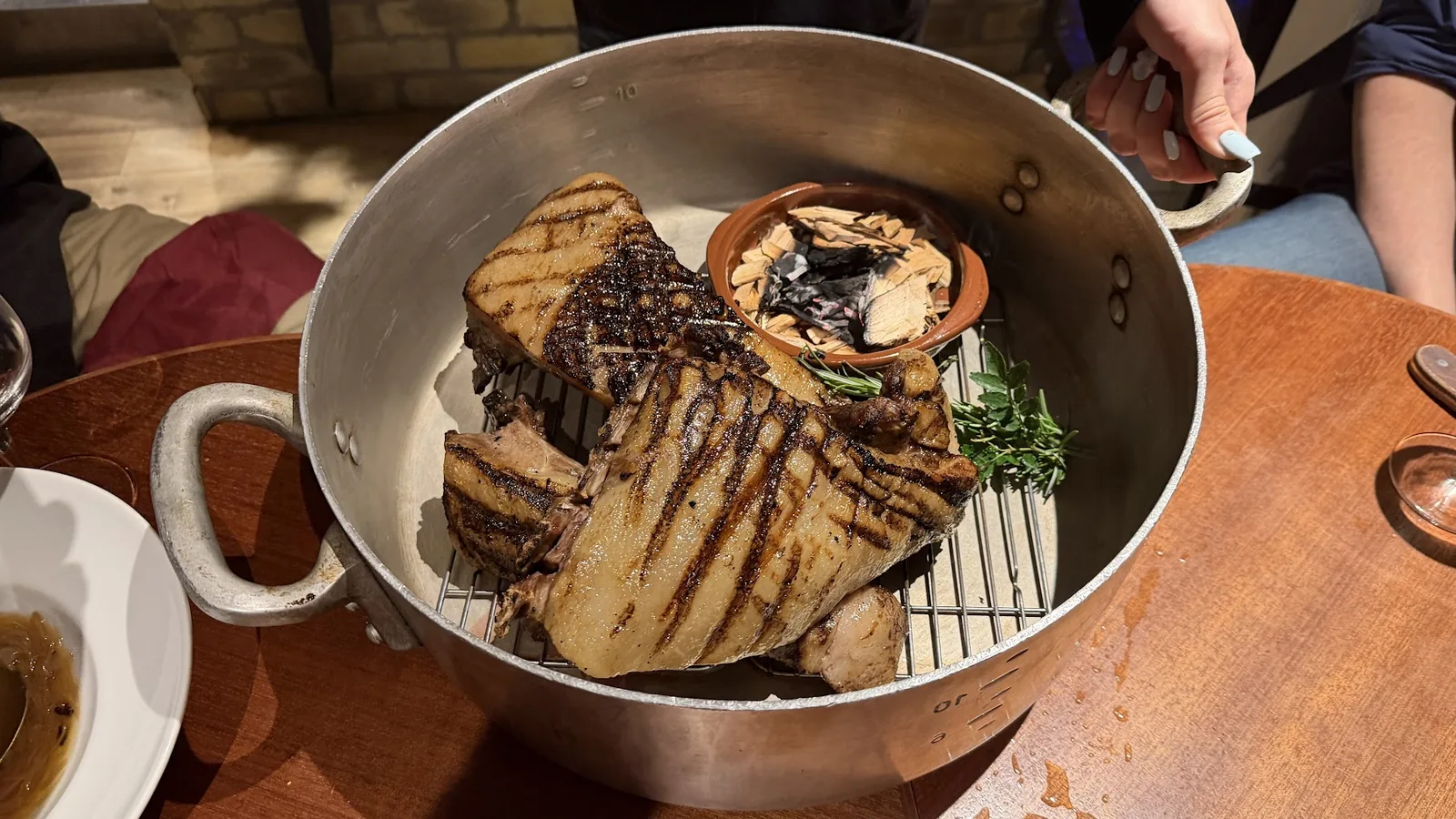
Wild food often has less margin than supermarket food. Lean venison dries quickly. Boar fat can carry aroma. Mushrooms can collapse or become savory. Rice can feel flat or alive. Salt changes all of those outcomes, especially when the cook pays attention to texture and timing.
Japanese sea salt is not one flavor. A damp coarse salt, a fine table salt, a flaky finishing salt, and a mineral-heavy salt do different work. The practical question is not which is most expensive; it is where it belongs in the cooking.
Use salt as a tool
Before cooking, salt can season deeply or draw moisture. At the grill, it can protect simplicity. At the table, it can add texture and small bursts of flavor. In a pairing, it can decide whether tea tastes bitter, sweet, roasted, or refreshing.
For wildfood.jp, salt belongs in the same conversation as meat, tea, rice, and vegetables because it is one of the simplest ways to make a local ingredient legible without burying it in sauce.
Go deeper
Sources and further reading
- The Salt Industry Center of Japan: The Salt Industry Center of Japan (JA)
- Salt Science Research Foundation: Salt Science Research Foundation (JA)
Need this checked for your menu, region, facility, or product?
Send the specific context behind your decision. A free inquiry checks fit; the paid sourcing assessment works through one concrete question.