What makes wild food useful to a restaurant?
Rare is not enough. A product has to arrive, fit the kitchen, earn a place on the menu, and be simple enough for staff to explain.
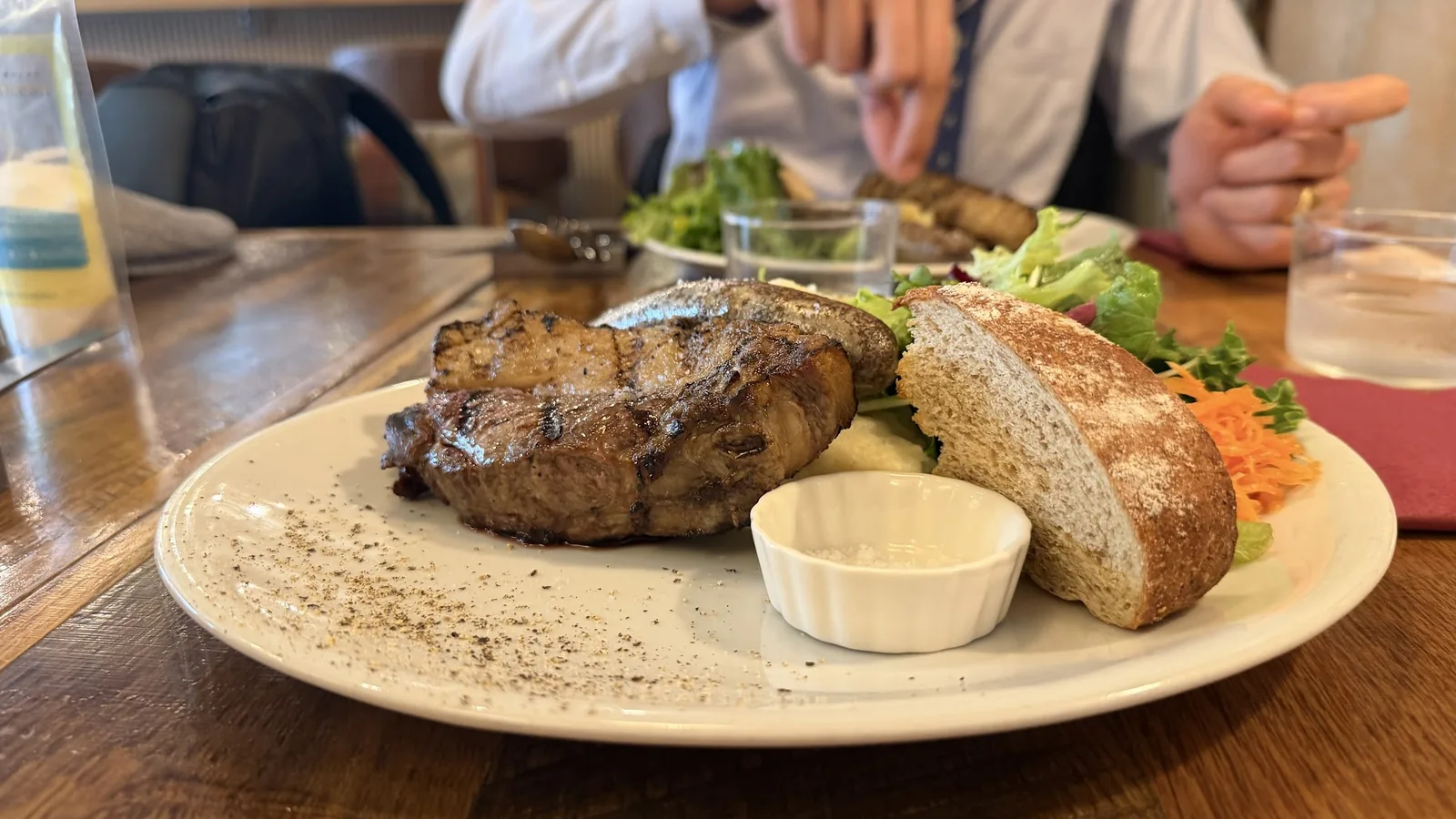
The restaurant problem is practical
Most conversations about Japanese wild food stop at rarity, terroir, or romance. Those things matter, but they do not answer the question a chef has to answer on a busy week: can this actually become a dish the team can serve again?
Wild Food Japan looks at the unglamorous middle of that question: source, season, format, sample path, storage, ordering, staff language, and the public story that can be told without stretching the truth.
Useful means repeatable
A good lead is not only a name and a phone number. It should come with enough context to decide whether it is worth pursuing: who makes it, what changes by season, how much is available, how samples work, and what a restaurant should ask before committing menu space.
That is the difference between an interesting ingredient and a workable sourcing path.
The story has to survive service
If the explanation only works in a long producer profile, it will not survive the floor. The useful version is shorter: where it comes from, why it tastes or behaves the way it does, why the restaurant chose it, and what guests need to know before ordering.
The goal is not to make every ingredient sound exotic. It is to make good Japanese food easier to buy, serve, explain, and order again.
Go deeper
Need this checked for your menu, region, facility, or product?
Send the specific context behind your decision. A free inquiry checks fit; the paid sourcing assessment works through one concrete question.