Bear incidents are infrastructure warnings, not marketing hooks
Fukushima and Akita cases point to the same practical layer: wildlife management needs licensed response, inspection, cold chain, local processing capacity, and restraint in how food use is discussed.
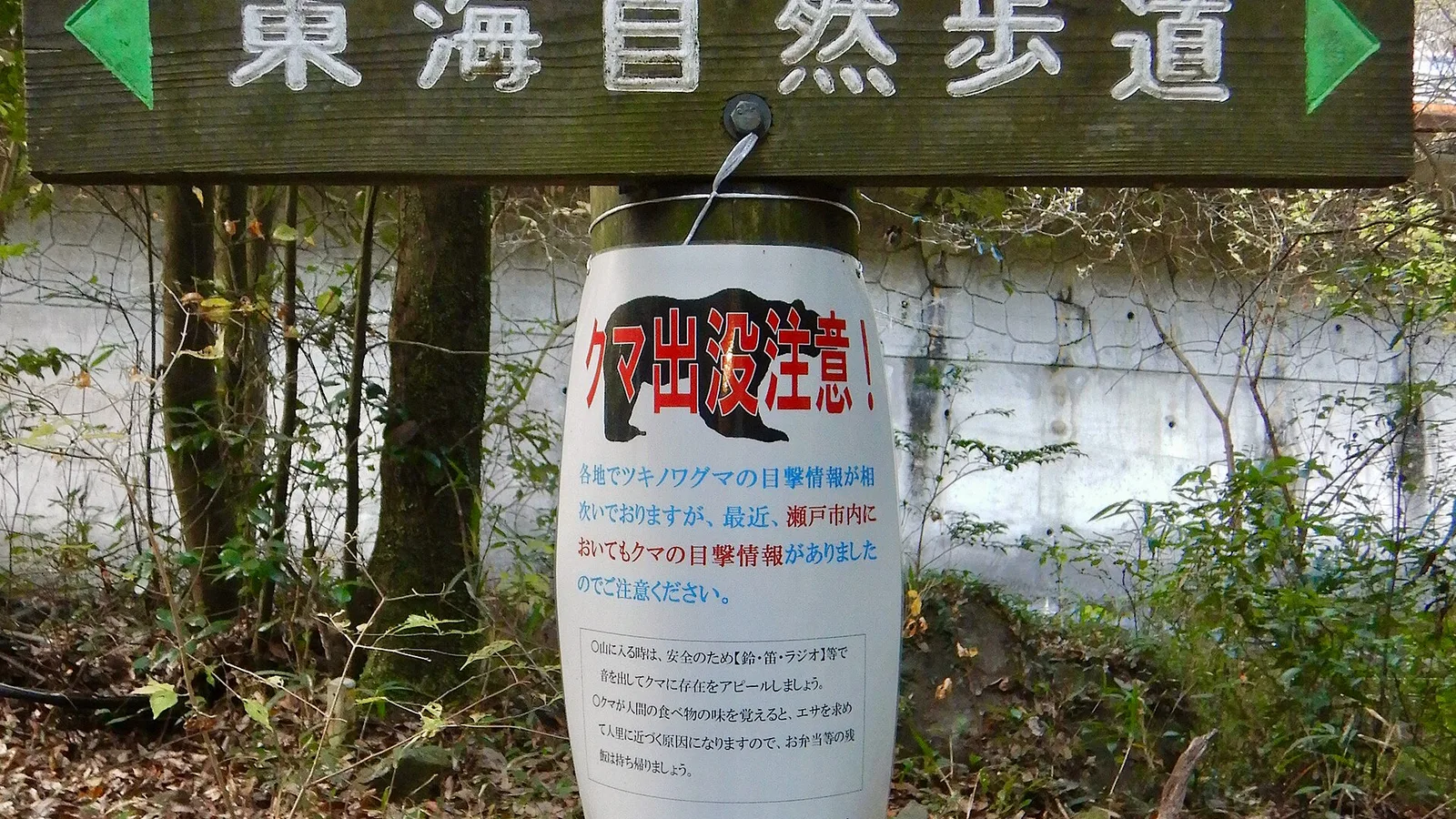
Image credit: Bear warning sign at Tokai Nature Trail in Seto City by Alpsdake, CC BY-SA 4.0
The wrong lesson is too easy
When bear incidents enter the news, the simple story is tempting: danger on one side, wild meat opportunity on the other. That is the wrong frame. A serious response starts with people, law, local authority, and safety, not with a menu idea.
The Fukushima and Akita cases reviewed in early June point to a practical question instead: if an animal must be captured or killed for safety, does the region have a lawful, fast, inspected route for handling the carcass, or does it become only disposal cost and public frustration?
Cold chain is part of wildlife management
Regulated use depends on details that sound boring until they are missing: who is authorized, how the animal is recovered, how quickly it is chilled, which facility can receive it, what inspection and parasite controls apply, how records are kept, and who decides that food use is impossible.
That makes cold chain, processing capacity, and traceability part of public infrastructure. They protect consumers, hunters, processors, municipalities, and restaurants from vague claims and unsafe improvisation.
No glamorizing emergency culls
Bear meat should never become a slogan that encourages overreach. It is seasonal, variable, safety-sensitive, and unsuitable for broad hype. The point is not to commodify conflict.
The point is narrower and more useful: where legal capture happens for legitimate management reasons, and where food use is safe, inspected, documented, and transparent, Japan should have the infrastructure to avoid unnecessary waste. That is a quieter message, but it is the one worth building around.
Go deeper
Sources and further reading
- Fukushima TV source article on the Sasakino response: Fukushima TV (JA)
- FNN Prime Online report on the Yurihonjo injury: FNN Prime Online (JA)
- Ministry of the Environment bear response guidance: Ministry of the Environment, Japan (JA)
Related video / media
- Nippon TV News NNN video/report on the Yurihonjo injury: Nippon TV News NNN (JA)
Need this checked for your menu, region, facility, or product?
Send the specific context behind your decision. A free inquiry checks fit; the paid sourcing assessment works through one concrete question.