Kuma Village’s new gibier plant is the boring infrastructure Japan needs
A new deer and boar processing facility in Kuma Village points to the practical middle of wild meat: licensed intake, hygiene, cold chain, traceability, and buyers who know what to ask.
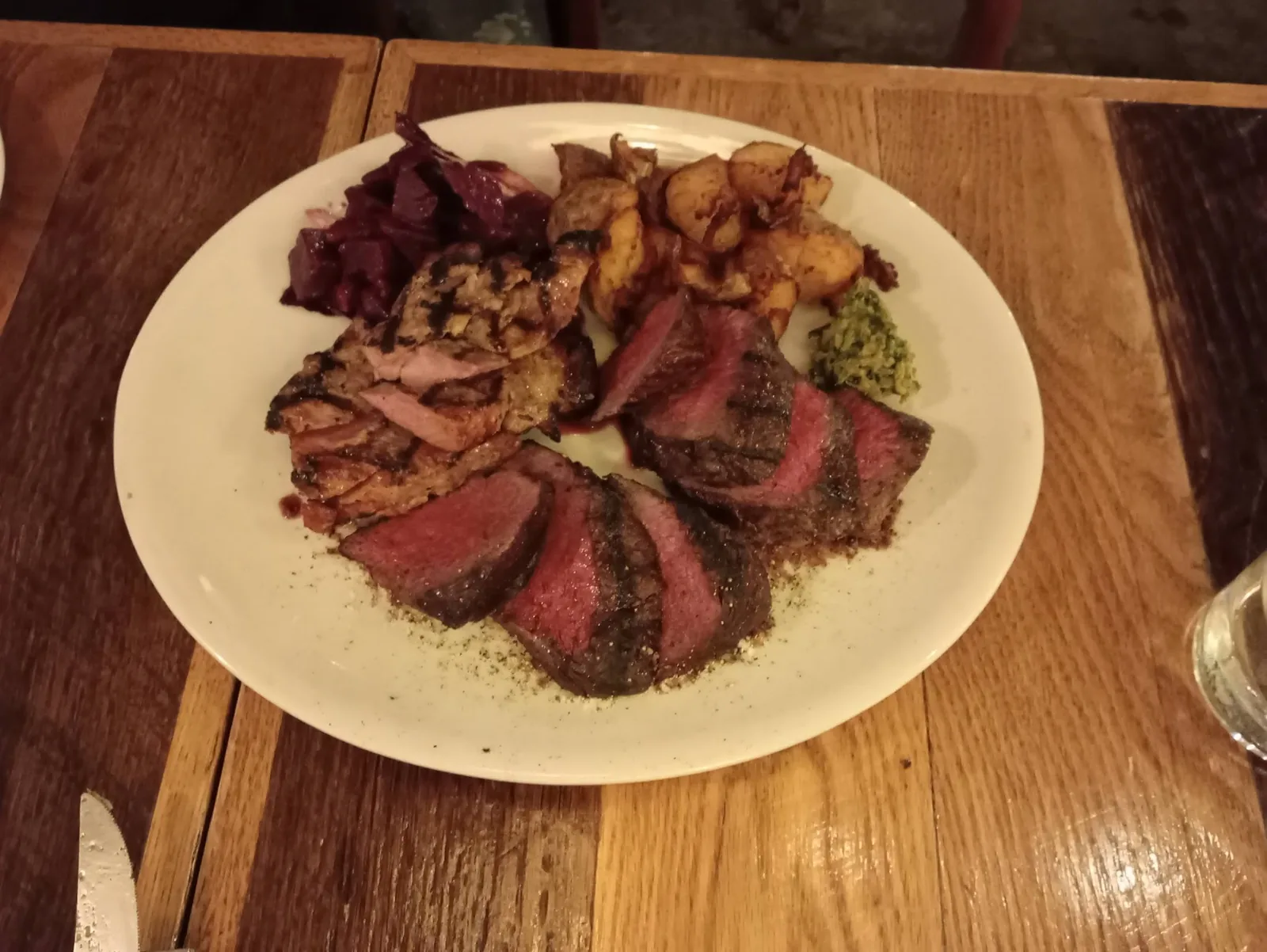
The useful part is not the ceremony
Kuma Village’s new Gibier no Sato facility is the kind of news that looks small until you think about what normally breaks in wild meat. The animal is captured. The clock starts. If there is no nearby intake point, no inspected facility, no cold chain, and no buyer who knows what information to ask for, the story often ends as disposal, informal use, or low-trust meat that restaurants will not touch.
That is why this opening matters. FNN / TV Kumamoto reported that Kuma Village opened a deer and boar processing facility in Isshochi on June 10. The village wants to turn animals captured by local hunters into meat that can move through direct sale, restaurants, and hometown-tax products. The report also says deer captures in the village exceeded 2,000 in fiscal 2025.
Wild meat needs a middle system
Japan’s wildlife pressure is not one problem. Bears near schools and factories are one problem. Deer eating forest understory and crops are another. Boar damage is another. Rural depopulation is another. A serious response needs prevention, monitoring, licensed capture, municipal coordination, and, where food use is appropriate, processing infrastructure that buyers can trust.
Kuma Village’s facility should be judged on those boring details: how fast carcasses arrive, how they are inspected, what gets rejected, how quickly meat is chilled or frozen, what labels follow each lot, and whether buyers can see enough information to make a responsible purchase.
What buyers should ask
A restaurant does not need a heroic story. It needs safe, legal, consistent meat with clear handling notes. A home buyer does not need a slogan. They need species, cut, processing date, storage state, cooking guidance, and confidence that the animal passed through an appropriate facility.
If Kuma Village can build that, Gibier no Sato is more than a local opening ceremony. It is one piece of the infrastructure Japan needs: local capture connected to inspected processing, cold storage, transparent sales, and less waste. Not every captured deer or boar should become food. But when the animal is suitable, the system should be good enough that the meat does not disappear into the gap between wildlife control and the table.
Go deeper
- What makes wild food useful to a restaurant?: Field note
- Fukushima's Sasakino bear incident shows why wildlife response needs infrastructure: Wildlife response
- Hanamaki bear attack: wildlife response needs more than warnings: Wildlife response
Sources and further reading
- TV Kumamoto report on the opening of Gibier no Sato in Kuma Village: FNN Prime Online / TV Kumamoto (JA)
- Kuma Village official website: Kuma Village (JA)
- Kumamoto Prefecture wild boar and deer meat hygiene guidance: Kumamoto Prefecture (JA)
- MHLW gibier hygiene management guidance: Ministry of Health, Labour and Welfare (JA)
- MAFF gibier utilization promotion: Ministry of Agriculture, Forestry and Fisheries (JA)
Need this checked for your menu, region, facility, or product?
Send the specific context behind your decision. A free inquiry checks fit; the paid sourcing assessment works through one concrete question.