What is kyon meat? Izu Oshima’s small deer, explained
Kyon meat comes from Reeves’s muntjac, a small deer species established on Izu Oshima. Understanding it means separating the animal, the island’s control programme, and the small share of suitable animals processed as food.
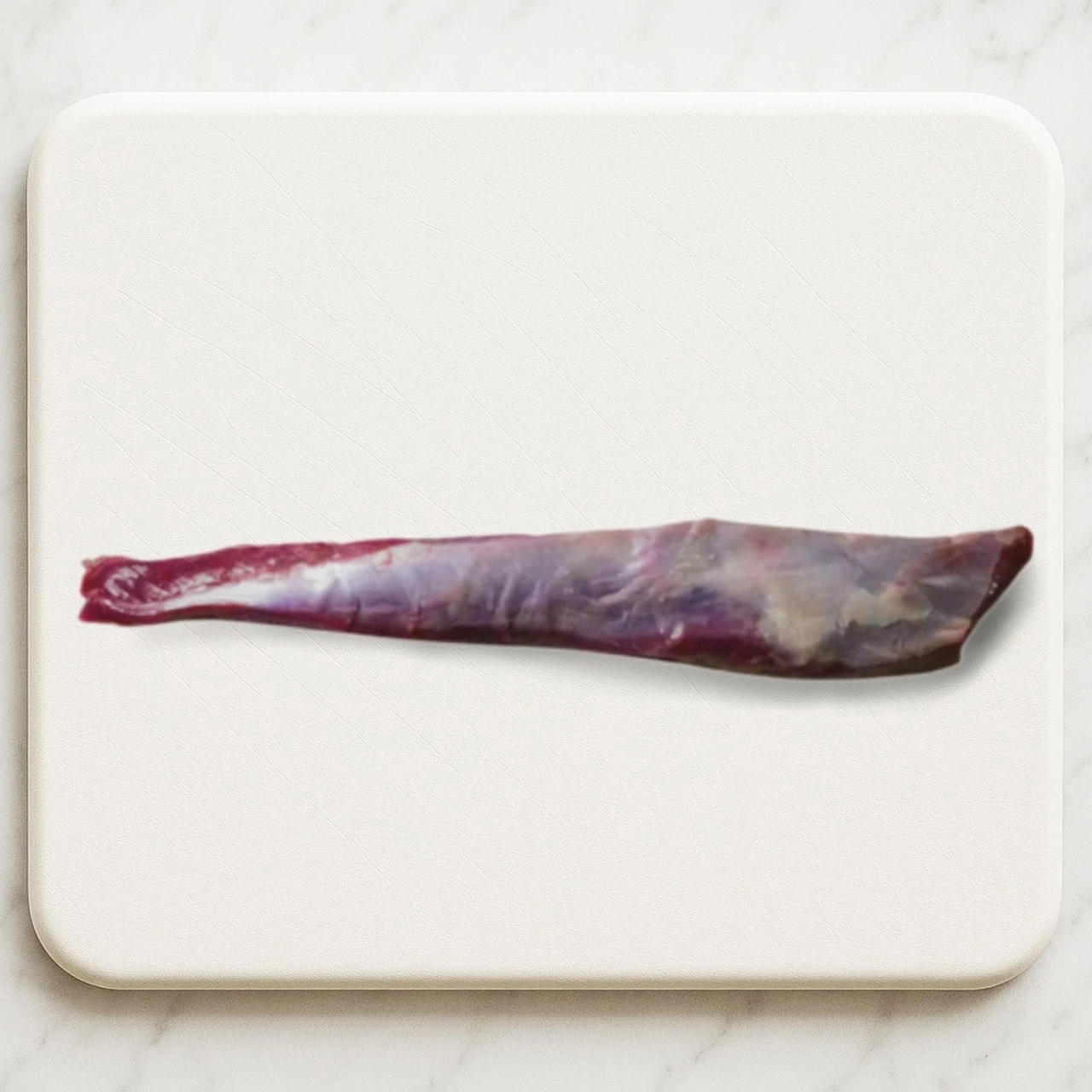
Image credit: Izu Oshima kyon loin by Izu Oshima Gibier, Original seller product photograph
Short answer
Kyon meat is meat from Reeves’s muntjac (Muntiacus reevesi), a small deer species known in Japanese as kyon.
On Izu Oshima, kyon is an established invasive species under active control because of damage to vegetation and agriculture. Food use comes after lawful capture and only when an animal is suitable for hygienic processing.
Buy it as a clearly identified cut from a responsible processor—not as a generic novelty—and check origin, pack size, storage, handling, and cooking guidance.
Kyon is a species, not another word for young deer
Kyon is the Japanese name for Reeves’s muntjac, Muntiacus reevesi. Japan’s Ministry of the Environment identifies it as a small member of the deer family, originally distributed in southeastern China and Taiwan. An adult kyon is its own species—not a baby sika deer—and its meat is therefore a specific kind of venison.
That distinction matters at the shop. A label should say kyon, the cut, the pack size, and who processed and sells it. Calling it only deer meat would erase the species and the unusual Izu Oshima context that a buyer needs in order to understand the product.
Why Izu Oshima is part of the answer
Kyon is established on Izu Oshima, where Tokyo has run a formal control programme since fiscal 2007. The metropolitan government links the programme to harm to the island’s vegetation and agriculture. This makes kyon meat different from a farmed specialty: it can be one careful use of a captured invasive animal after a management decision has already been made.
The order is important. Food demand should not decide which animal is captured. Control objectives, law, animal condition, transport time, inspection-minded handling, and processing suitability come first. Only then can an eligible animal enter a food route instead of being discarded.
What a kyon meat listing should tell you
Izu Oshima Gibier says it handles kyon from capture through butchery, and its official shop lists named cuts rather than one anonymous block of wild meat. The current range includes loin, tenderloin, round cuts, ribs, belly, shoulder, rump, neck, eye of round, and shank. Those names give a cook more useful information than novelty alone.
Treat the cut as the starting point. Tender cuts and harder-working cuts do different jobs, while thickness, weight, freezing, thawing, and the producer’s instructions affect the cooking plan. Kyon may be unfamiliar, but the buying discipline should be familiar: know exactly what cut is in the pack and choose a method that fits it.
Questions to check before buying
Check the named seller and processor, island or regional origin, cut, pack weight, frozen or chilled state, storage instructions, and recommended cooking. Confirm current stock and terms in the producer’s official checkout, because a translated catalogue is not the final authority for price, availability, shipping, or order conditions.
Not every captured kyon should become food. Responsible use depends on rejecting unsuitable animals and keeping capture, processing, cold chain, records, and cooking guidance clear. That restraint is what makes kyon meat a credible regional product rather than simply an unusual one.
Go deeper
- What is gibier in Japan? A practical guide for buyers — Gibier guide
- Types of gibier in Japan: deer, boar, bear, birds, and limits — Gibier guide
- What is venison in Japan? Flavor, sourcing, and practical use — Ingredient guide
Sources and further reading
- Reeves’s muntjac identification and handling manual — Ministry of the Environment (JA)
- Kyon countermeasures on Izu Oshima — Tokyo Metropolitan Government Bureau of Environment (JA)
- Turning captured wildlife into gibier — Ministry of Agriculture, Forestry and Fisheries (JA)
- Izu Oshima Gibier official shop — Izu Oshima Gibier (JA)
- Wild-game meat hygiene guidance — Ministry of Health, Labour and Welfare (JA)
Need this checked for your menu, region, facility, or product?
Send the specific context behind your decision. A free inquiry checks fit; the paid working session is for working through one concrete question.