Venison in Japan: flavor, sourcing, and practical use
Japanese venison can be lean, clean, and useful when handled well. The buying problem is not romance; it is cut, age, fat, processing, freezing, and a cooking plan that respects how little margin lean meat has.
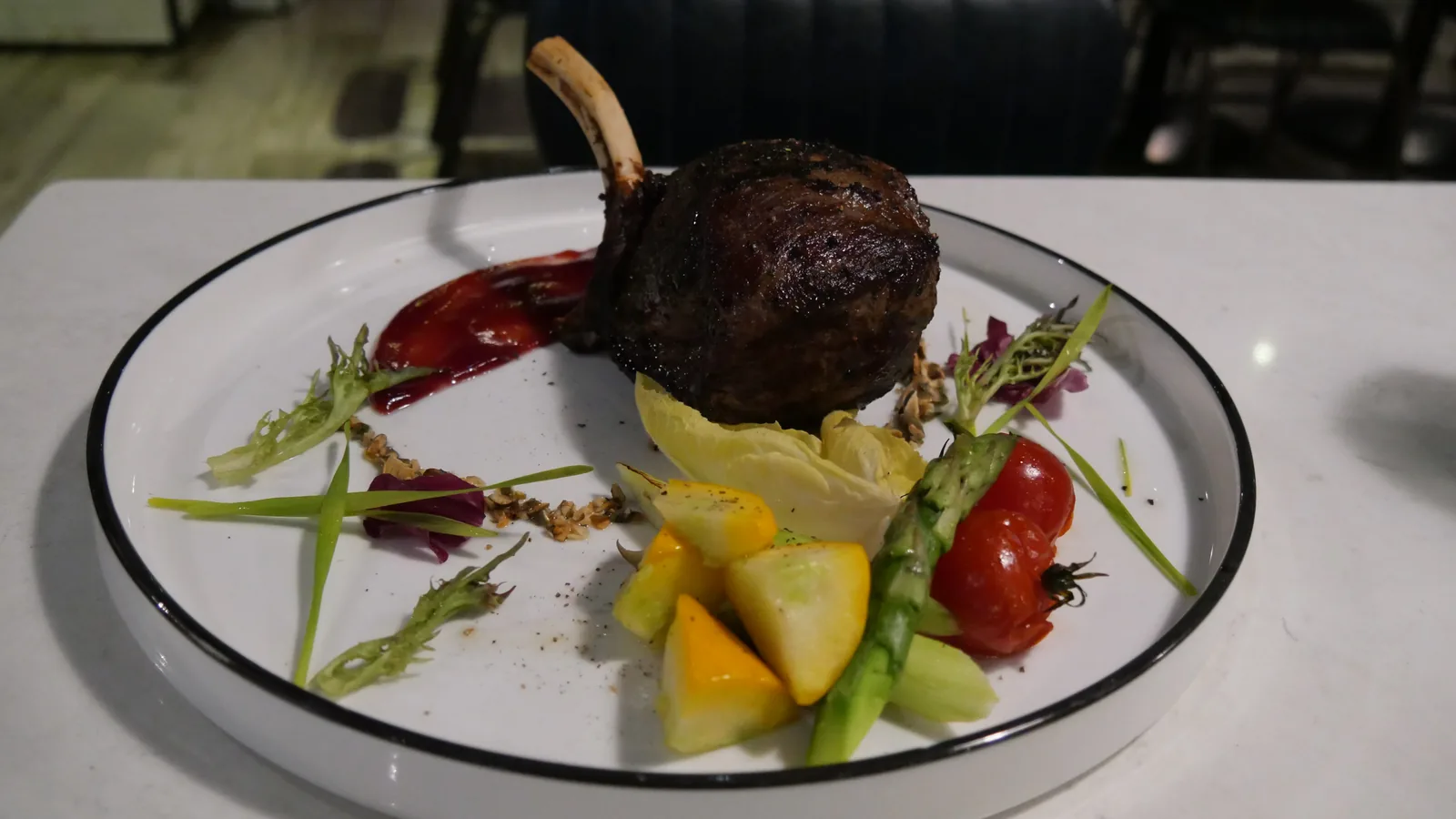
Image credit: Deer steak with vegetables and wine sauce by Peachyeung316, CC BY-SA 4.0
Short answer
Venison in Japan is lean wild deer meat, so its value depends on fast handling, proper processing, and a cooking plan that protects moisture.
Restaurants should ask for the cut, processing date, chilled or frozen state, recommended use, and how much variation to expect between animals or seasons.
It works best when the buyer treats it as a precise red meat, not as a generic wild-food symbol.
Lean meat needs discipline
Venison is often described as rich or wild, but the most useful starting point is simpler: it is lean. That makes handling and cooking less forgiving than pork or beef with more fat. Good venison can be clean and quiet, but overcooking makes it dry fast.
For buyers, flavor depends on species, season, age, sex, handling speed, and cut. Loin, leg, shoulder, trim, and mince are not interchangeable. A supplier who can explain those differences is more useful than one who only says the meat is local.
How to use it
Restaurants should decide the job before ordering. A tender cut can stay simple. Tougher cuts may be better as braise, sausage, ragù, curry, or dumpling filling. Mince needs fat or moisture added by the recipe, not wishful thinking.
For home cooks, the safest mindset is to buy from a processor with clear storage and cooking notes, thaw slowly, cook thoroughly where required, and avoid treating venison like fatty supermarket beef.
Go deeper
- What is gibier in Japan? A practical guide for buyers: Gibier guide
- Wild boar in Japan: flavor, fat, and buying questions: Ingredient guide
- Types of gibier in Japan: deer, boar, bear, birds, and limits: Gibier guide
Sources and further reading
- MAFF gibier utilization promotion: Ministry of Agriculture, Forestry and Fisheries (JA)
- MHLW gibier hygiene management guidance: Ministry of Health, Labour and Welfare (JA)
Need this checked for your menu, region, facility, or product?
Send the specific context behind your decision. A free inquiry checks fit; the paid sourcing assessment works through one concrete question.