Shinshu fermented seiro works when the local details stay visible
A September-to-November Karuizawa lunch built around miso, koji, mushrooms, venison, matsutake, fruit, and Nagano wine is a good reminder that fermentation is most useful when it explains place and handling, not just mood.
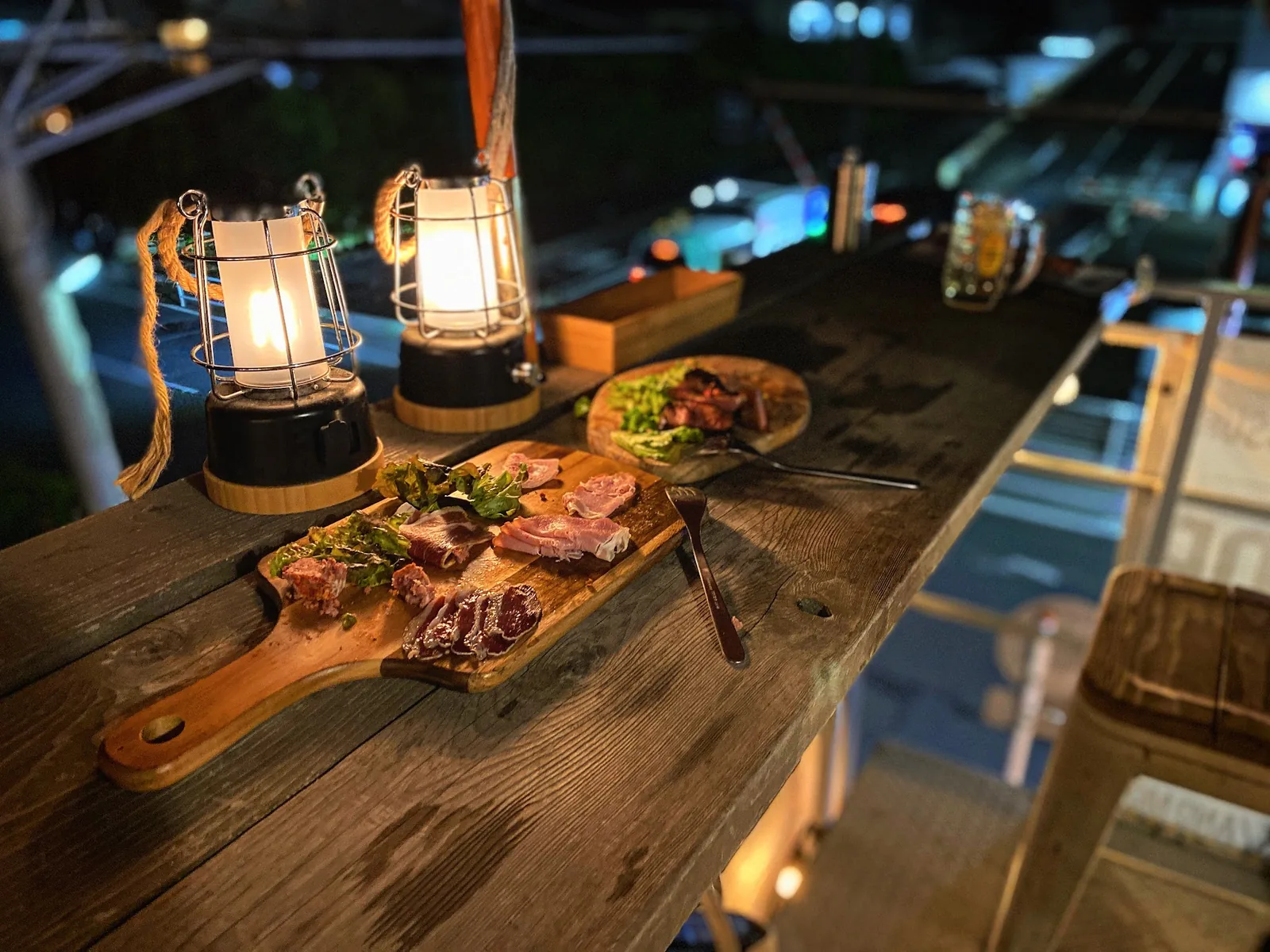
This is stronger than generic fermentation copy
Hoshinoya Karuizawa's June 18 release announces a September 1 to November 30, 2026 lunch called Shinshu fermented seiro. The useful part is not the luxury language. It is the list of things that have to work together in a real service: matsutake, venison aged with aromatic koji, persimmon with yuzu miso, chestnut and mushroom okowa, mushroom shio-koji, edamame shira-ae using mascarpone, fermented azuki kinton, and a pairing built around long-aged Nagano sparkling wine.
That is a concrete Nagano fermentation story. It connects mountain autumn ingredients, preserved-food culture, miso, koji, mushrooms, rice, game meat, fruit, dairy, wine, and a place where staff have to explain the plate without turning it into generic wellness copy.
Karuizawa can flatten place, or make it readable
Karuizawa is good at polished resort service, which is both the opportunity and the risk. Mountain food can become decoration fast. The stronger version keeps the local details visible: why Nagano fermentation matters in a cold inland prefecture, which mushrooms are being used, how the venison was handled, what the koji changes, where the wine comes from, and why a seiro is the right format instead of just another tasting course.
The Nagano Prefecture fermentation-and-longevity page and the Fermentation and Longevity Nagano project both frame fermentation as a local food-industry and everyday-culture asset. That matters here because it gives the menu a backbone beyond a hotel seasonal campaign.
The gibier question still needs discipline
Venison in a resort lunch is not automatically meaningful. It becomes useful when the buyer can see species, cut, processing route, storage, cooking plan, and why the meat suits the dish. Koji can help flavor and texture, but it does not replace legal capture, hygienic processing, cold chain, and clear kitchen handling.
For restaurants watching this from outside the resort, the takeaway is practical: use fermentation to make local ingredients easier to understand, not to hide vague sourcing. The best version of this idea could be copied at smaller scale with a local processor, a mushroom producer, a miso maker, a rice grower, and one or two staff notes that explain the plate in plain language.
Go deeper
- Karuizawa’s fermentation festival is useful when it stays local and edible: Fermentation field note
- Kuma Village’s new gibier plant is the boring infrastructure Japan needs: Gibier infrastructure
- What makes wild food useful to a restaurant?: Field note
Sources and further reading
- Release on Hoshinoya Karuizawa's Shinshu fermented seiro lunch: Hoshino Resorts / PR TIMES (JA)
- Nagano Prefecture fermentation and longevity declaration page: Nagano Prefecture (JA)
- Fermentation and longevity Nagano project overview: Nagano Food Manufacturing Industry Promotion Vision Council (JA)
- Hoshinoya Karuizawa official hotel page: Hoshino Resorts (JA)
Need this checked for your menu, region, facility, or product?
Send the specific context behind your decision. A free inquiry checks fit; the paid sourcing assessment works through one concrete question.