A bear injury near Gassan is a field-safety warning and an infrastructure test
A Tsuruoka bear injury during Gassan bamboo-shoot gathering shows why warnings, field behavior, response teams, cold chain, inspection, and disposal plans all have to exist before an incident.
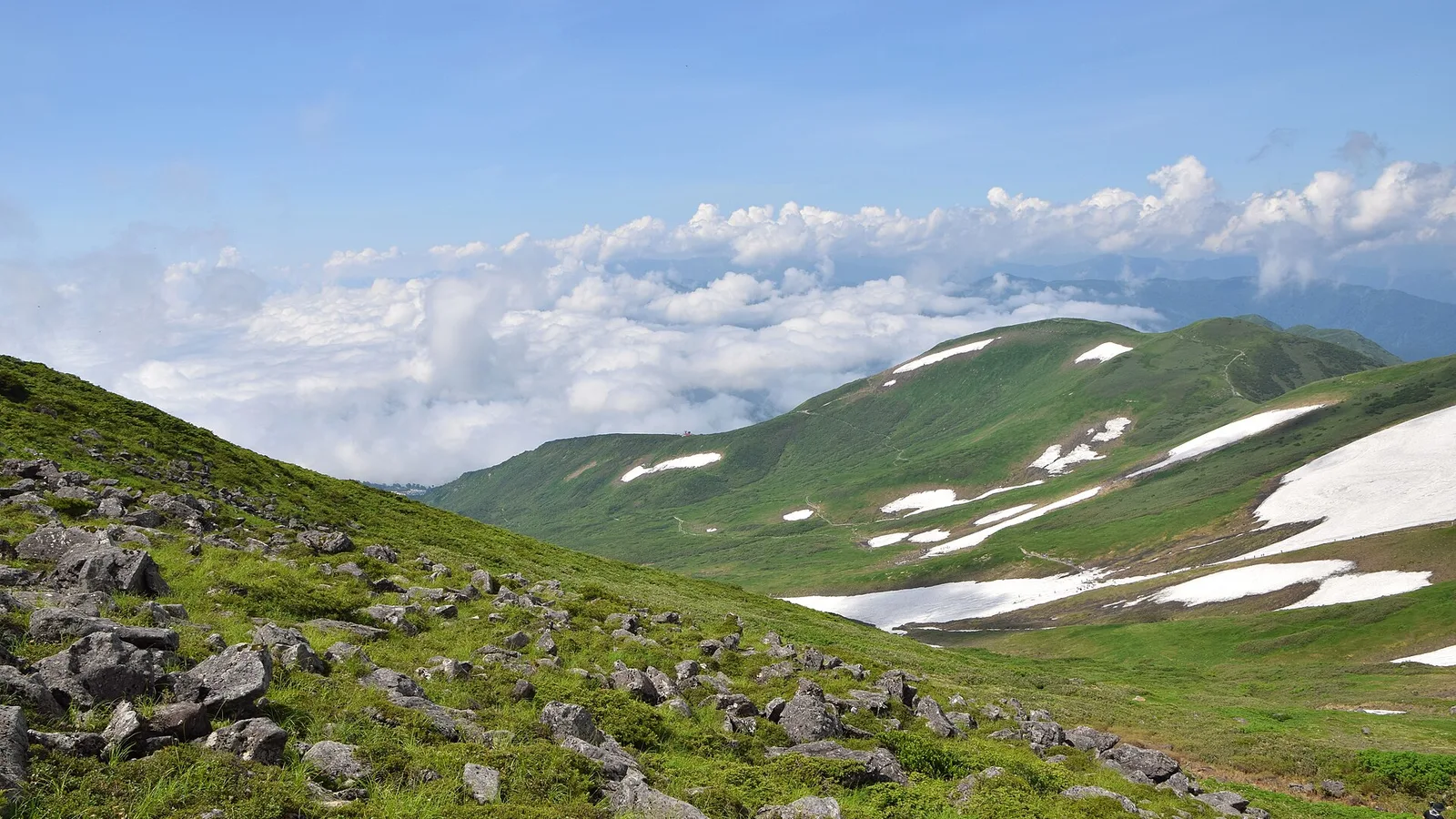
Image credit: Mount Gassan by Yamagata Prefecture, CC BY 2.1 JP
The incident is practical, not theatrical
On June 15, Tsuruoka City warned that a person who had entered the mountains in the Asahi area to gather Gassan bamboo shoots was attacked and injured by a bear. The city sighting table places the case around Tamugimata, about one kilometer east of Yudonosan Ski Area, at around 7:00 in the morning.
That is enough to take seriously without turning the mountains into a horror story. The real interface is familiar: seasonal food gathering, access roads, quiet ski-area infrastructure outside winter, villages and tourist routes below forest, and bears moving through the same landscape.
Equipment is only one layer
Bells, radios, group travel, fresh-track awareness, and bear spray can all matter. But field equipment cannot replace a larger local system: municipal warning pages, clear reporting, trained responders, police and fire coordination, and a public that knows how to change behavior when alerts are active.
For people entering mountain areas, the message is simple: follow municipal warnings, avoid going alone, make continuous sound, watch for tracks and scat, leave quietly when signs are fresh, and do not treat a familiar bamboo-shoot spot as safe simply because it is familiar.
Wild meat infrastructure belongs in the response plan
This is not an argument that eating bear meat solves bear conflict. It does not. Conflict is shaped by habitat, mast cycles, human food access, aging rural labor, abandoned orchards, mountain-use behavior, and local response capacity.
But when a bear is legally captured or culled and hygienic use is appropriate, the choice should not be chaos or default waste. Municipalities need licensed response capacity, inspection and processing routes, cold-chain timing, traceable records, and disposal plans for animals that are not suitable for food.
Wild meat only belongs in commerce when law, safety, recovery condition, inspection, and transparent handling line up. Building that chain before the emergency is the practical work.
Go deeper
- Hanamaki bear attack: wildlife response needs more than warnings: Wildlife response
- After the Akita bear incidents: wildlife management needs infrastructure, not slogans: Wildlife response
- What makes wild food useful to a restaurant?: Field note
Sources and further reading
- News report on the Gassan bamboo-shoot gathering bear injury: Yamagata Shimbun (JA)
- Tsuruoka City bear sighting and caution notices: Tsuruoka City (JA)
Related video / media
- TUY report on Yamagata bear incidents and prefectural warnings: TUY / TBS NEWS DIG (JA)
Need this checked for your menu, region, facility, or product?
Send the specific context behind your decision. A free inquiry checks fit; the paid sourcing assessment works through one concrete question.